Is your Carmel home feeling drafty and expensive to heat each winter? You’re not alone. Buyers across Hamilton County want lower utility bills, steady comfort, and systems they can trust. If you plan projects before listing, a few energy-smart upgrades can set your home apart and help you justify your price. In this guide, you’ll learn which improvements matter most in Carmel’s climate, what performance targets to aim for, and how to document the work so buyers and appraisers recognize the value. Let’s dive in.
Why energy upgrades matter in Carmel
Carmel has long, freezing winters and humid summers. That means most of your annual energy spend goes to heating during colder months. The smartest improvements do two things: reduce heat loss and improve heating system efficiency. When you tighten the home, you should also pay attention to moisture and ventilation so you avoid condensation and indoor air quality issues.
Buyers in the area care about predictable monthly costs, winter comfort, and move-in ready features. Many also like simple, visible eco-upgrades such as smart thermostats and LED lighting. If you can show lower bills and a warmer, quieter home, you will draw more interest.
Top upgrades Carmel buyers value
Insulation and air sealing
Improving insulation and sealing air leaks is the highest-priority winter project. It cuts heat loss, reduces drafts, and helps your heating system run more efficiently.
Focus on these areas:
- Attic or ceiling planes
- Rim and band joists
- Basement walls and sill plate
- Exterior wall cavities where practical
- Gaps around windows, doors, penetrations, and recessed lights
Helpful performance targets for our climate:
- Attic: aim for roughly R49 to R60
- Exterior walls: R13 to R20 is common for retrofits
- Basement walls: R10 to R19, depending on condition and finish plans
- Rim joists: closed-cell spray foam or rigid foam plus sealant
What buyers and appraisers notice:
- Comfort improves quickly, and bills often drop.
- Keep invoices, a contractor statement, and any energy audit or blower-door results. Clear documentation helps appraisers and buyers understand the benefit.
ROI notes:
- Air sealing and insulation often deliver the best cost-to-savings ratio in a heating-dominated climate. Payback varies by fuel, starting conditions, and energy prices.
High-efficiency HVAC
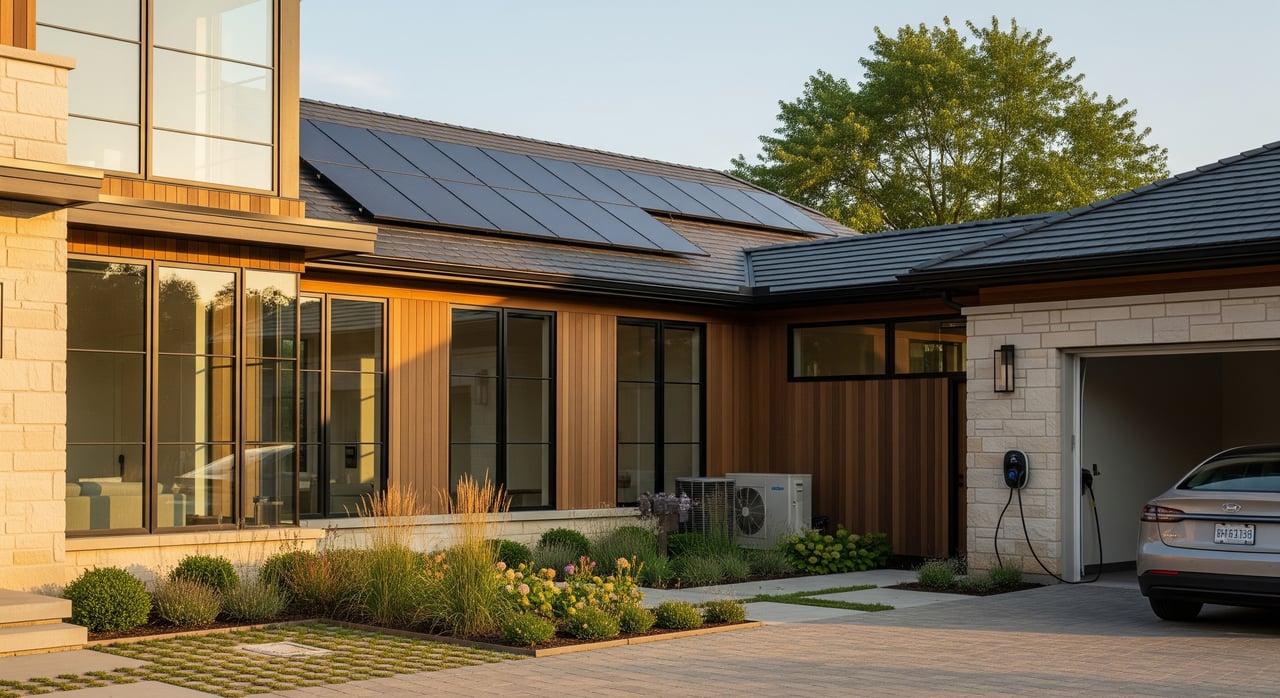
Heating is the biggest load in winter, so upgrading aging equipment can deliver comfort and savings. Options to consider:
- High-efficiency gas furnace with 95 percent or higher AFUE
- Cold-climate air-source heat pump with strong low-temperature performance
- Hybrid setups that pair a heat pump with a gas furnace
- Variable-speed blowers and modulating equipment for steadier temperatures
What to look for:
- Furnaces: 95 percent AFUE or better
- Heat pumps: solid seasonal ratings and manufacturer documentation showing cold-weather capability
What buyers and appraisers notice:
- New, efficient systems are a common MLS highlight. Save spec sheets, warranty info, and maintenance records to support your listing and the appraisal.
ROI notes:
- Results depend on fuel prices, the efficiency of your old system, and rebates. Heat pumps can cost more upfront but often run cheaper. Verify with your utility rates.
Smart thermostats and controls
Smart thermostats are a low-cost upgrade that helps you control schedules and reduce waste. Features like learning, geofencing, and usage reports are appealing to buyers.
What to expect:
- When used well, smart thermostats can trim heating and cooling use by single to low double-digit percentages over time.
What buyers and appraisers notice:
- They are visible, simple, and modern. Keep packaging and documentation to show system compatibility.
ROI notes:
- Installation is inexpensive and payback is typically quick if you optimize setpoints and schedules.
Replacement windows and low-E glazing
Windows affect comfort and drafts, but full replacement is a major investment. Consider replacing when units are at the end of their life or causing issues like rot or persistent condensation.
What to choose for Carmel:
- Double-pane, low-E, argon-filled windows with thermally improved frames
- Aim for a low U-factor, ideally near or below 0.30 per NFRC labeling
- Triple-pane can boost performance but at higher cost; double-pane low-E often balances cost and comfort best here
What buyers and appraisers notice:
- New windows add curb appeal and reduce perceived maintenance. Keep the NFRC label data and warranty details.
ROI notes:
- Energy savings alone often take a long time to pay back. Position window work as a comfort, maintenance, and appearance upgrade.
Make upgrades count at appraisal
Appraisers use sales comparison and cost approaches to analyze value. Energy features influence value when you can clearly document them and when local comps support similar upgrades.
Provide objective evidence:
- Energy audit reports, blower-door results, or thermography images
- Manufacturer spec sheets and NFRC window labels
- Permits and contractor invoices
- Utility bill history showing pre-upgrade use and post-upgrade trends if available
- Proof of rebates, warranties, and any transferable service contracts
You can also ask lenders or appraisers about recognized documentation such as HERS or Home Energy Score reports, as some mortgage programs consider them.
Incentives, permits, and local resources
- Incentives and financing: Federal and state energy-efficiency tax credits and rebates can offset costs for insulation, heat pumps, and other upgrades. Check current programs before you start.
- Utility rebates: Many central Indiana utilities, including Duke Energy Indiana, periodically offer rebates for high-efficiency HVAC, heat pumps, insulation, and smart thermostats. Review current offerings as they change.
- Permits and codes: HVAC replacements, significant insulation work, and window replacements may require permits. Confirm requirements with the City of Carmel or Hamilton County building department and verify the current Indiana energy code edition.
- Qualified pros: Look for BPI-certified auditors, RESNET HERS raters, and HVAC contractors who perform Manual J and Manual S calculations. Experienced insulation and window contractors should be comfortable with NFRC and energy documentation.
Seller winter project checklist
- Get a quick energy assessment to identify top priorities. In Carmel, air sealing and attic insulation are usually first.
- Complete air sealing and attic work early so you can market the comfort upgrade and include reports.
- If replacing HVAC, size equipment for the improved envelope. Keep spec sheets and warranty details.
- Install and program a smart thermostat. Leave instructions and transfer information for the buyer.
- Address problem windows first. Consider full replacement only if units are failing or if curb appeal is central to your listing strategy.
- Organize an energy packet: invoices, permits, audits, spec sheets, warranties, and rebate or tax credit paperwork.
- Summarize expected energy savings or provide a simple pre and post comparison if available.
Ready to position your Carmel listing?
Thoughtful energy upgrades make your home more comfortable now and more compelling when you list. If you want help prioritizing projects, assembling documentation, and presenting your home to maximize market impact, our boutique team is here to guide you. Reach out to Duke Collective for local advice and premium listing preparation that meets today’s buyer expectations.
FAQs
What are the best energy upgrades for Carmel homes?
- Prioritize air sealing and attic insulation, then consider high-efficiency HVAC, smart thermostats, and targeted window replacements when units are at end of life.
How much attic insulation should I add in Carmel’s climate?
- Aim for roughly R49 to R60 in the attic, with careful air sealing at penetrations and top plates for best results.
Are heat pumps a good choice for Indiana winters?
- Yes, cold-climate air-source heat pumps can heat efficiently at low temperatures; check models with strong low-temperature capacity and solid seasonal ratings.
Do new windows pay back quickly through energy savings?
- Not typically; energy payback is long. Treat window upgrades as comfort, curb appeal, and maintenance improvements unless existing units are failing.
What documentation helps appraisers value efficiency upgrades?
- Provide energy audits, blower-door results, manufacturer spec sheets, NFRC labels, permits, invoices, warranties, utility bill histories, and proof of rebates.
Do I need permits for insulation, HVAC, or windows in Carmel?
- Many projects do. Verify current permit requirements and code compliance with the City of Carmel or Hamilton County before work begins.