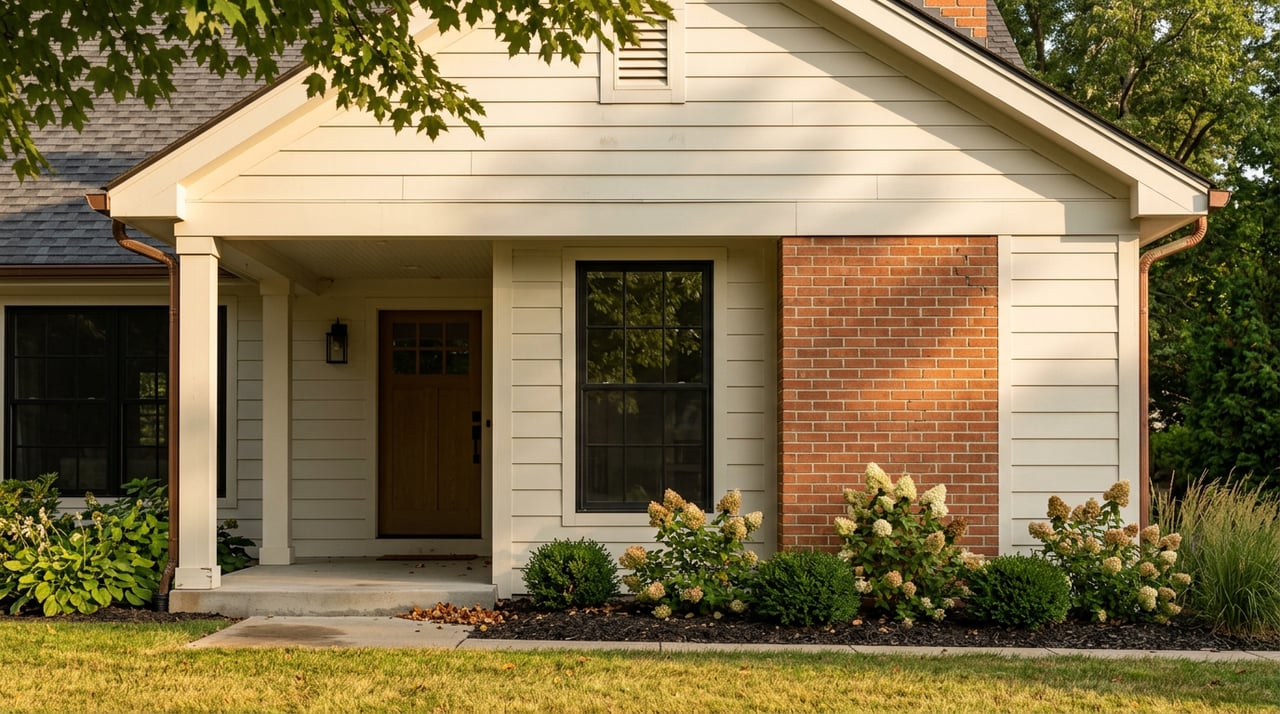
You found a home you love in Zionsville, but the HOA details feel confusing. You are not alone. HOAs can shape your monthly budget, the updates you can make, and even how you use the property. In this guide, you will learn what fees to expect, which rules matter most, the documents to review before you offer, and how HOAs differ in Zionsville’s planned communities versus the village core. Let’s dive in.
How HOAs work in Zionsville
HOAs exist to manage common areas, maintain amenities, enforce neighborhood covenants, and collect assessments. They are private associations, so their rules are contract-based among owners. Town zoning, building codes, and any historic-preservation rules still apply separately.
Planned subdivisions and newer developments
Many newer Zionsville neighborhoods have formal HOAs or condo associations. Expect written covenants and architectural controls, plus shared amenities like trails, ponds, a pool, or a clubhouse. You will see regular dues and rules that govern exterior changes, landscaping, parking, pets, amenities, and rentals.
Village core and historic areas
In downtown and the historic village core, you will often find fewer or looser HOA restrictions. Some properties have no association at all. Exterior changes may be guided by historic-preservation overlays and municipal permitting rather than an HOA board. You may trade amenity-based dues for more individual maintenance responsibilities.
HOA fees: what you will pay
HOA assessments come in several forms. Understanding each helps you plan your total monthly housing cost.
- Regular dues: Monthly or annual assessments cover operations, landscaping of common areas, common insurance, utilities for shared spaces, and amenity upkeep.
- Reserve contributions: A portion of dues often funds long-term projects, such as paving or pool repairs.
- Special assessments: One-time charges for large or unexpected costs when reserves fall short.
- One-time closing fees: Transfer or administrative fees, and sometimes a capital contribution at purchase.
- Fines and late fees: Charged for rule violations or missed payments.
What dues typically cover in Zionsville
In many local developments, dues can fund maintenance for private streets and entry landscaping, stormwater ponds, playgrounds and trails, and pool or clubhouse upkeep. Some associations handle snow removal and exterior lighting for common areas as well.
How much to budget
Dues vary widely based on community size and amenities. A small, maintenance-only HOA will generally cost less than an amenity-rich neighborhood. For a true budget, request the exact current dues and any recent or pending special assessments from the resale packet rather than relying on general area estimates.
Other costs to factor
- Insurance: Understand what the HOA’s master policy covers, then confirm your personal policy needs. Condos and townhomes often require interior coverage with specific deductibles.
- Closing items: Ask who pays transfer fees or capital contributions and whether dues are prorated.
- Utilities: If the HOA includes certain utilities or private road maintenance in dues, compare that to homes without those inclusions.
Common rules and restrictions
Each HOA has its own covenants and rules. Read them closely to confirm they fit your plans for the home.
Architectural changes
Many HOAs require approval for exterior paint, fences, decks, driveways, sheds, additions, or even satellite dishes. Expect an Architectural Review Board process with submittal steps and timelines.
Use, parking, pets, and amenities
Rules often cover lawn care standards, signage, holiday décor, and where vehicles or recreational equipment can be parked. There may be restrictions on commercial uses and pet limits. Amenities like pools and clubhouses usually have posted hours, guest rules, and reservation policies.
Rental policies and investors
Some communities cap the number of rentals, set minimum lease terms, or require owner occupancy. If you plan to rent the property or buy as an investment, confirm the current rental policy before you write an offer.
Documents to review before you offer
Ask for the full HOA document set up front, or include a contingency for document review. You want clarity before you commit.
- Declaration/CC&Rs, Bylaws, and Rules & Regulations
- Most recent operating budget and year-end financial statements
- Reserve study and bank summaries for reserve health
- Meeting minutes for the past 12 to 24 months
- Resale certificate or resale disclosure packet
- Master insurance policy details and deductibles
- Pending litigation disclosure
- Management contract if a management company is used
- Violation history, delinquency rates, and rental counts if tracked
- Planned capital projects or upcoming special assessments
How to read the key items
- Reserve strength: A recent reserve study and healthy balances lower the risk of surprise assessments. Thin reserves can signal future special assessments.
- Special assessment history: Repeated assessments may suggest structural funding issues or deferred maintenance.
- Litigation: Lawsuits against the HOA or board can create unknown liabilities and affect resale value.
- Insurance coverage: Confirm what the master policy insures and what you must insure. Pay attention to deductibles.
- Rental caps: If you want flexibility to rent, make sure the rules allow it.
Timing and closing logistics
Confirm the dues due date, how prorations work, and whether any pre-paid fees apply. Ask who pays transfer fees or capital contributions at closing, since this can vary by association.
Red flags and what to negotiate
You can often spot trouble in the documents and minutes. Address concerns before you finalize terms.
- Red flags to watch:
- No reserve study or very low reserves
- Frequent special assessments or clear deferred maintenance
- High owner delinquency rates
- Pending or recurring litigation
- Restrictive or slow architectural approvals that conflict with your plans
- Unclear maintenance responsibilities
- Negotiation options:
- Include a document-review contingency with sufficient time to read everything
- Ask the seller to cover recent or pending assessments, or contribute toward first-year dues
- Seek a price adjustment or concession if rules materially change the home’s value to you, such as strict rental caps
- If the developer still controls the board, confirm the timeline for owner control since assessments can change after turnover
Quick buyer checklist
- Ask for the HOA resale packet before you write an offer, or add a contingency.
- Confirm current dues, payment frequency, and what is included.
- Read CC&Rs, bylaws, rules, and architectural guidelines for any restrictions that affect your plans.
- Review the latest budget, reserve study, and year-end statements for reserve health.
- Read 12 to 24 months of meeting minutes for patterns, projects, and disputes.
- Verify master insurance coverage, deductibles, and your required policy type.
- Ask about recent or pending special assessments and any litigation.
- Confirm management setup and contact details.
- Clarify maintenance responsibilities for roofs, siding, driveways, lawn care, and snow removal.
- Check rental policies if you may rent or buy as an investment.
- If you are in the village core, confirm whether historic-preservation rules or zoning overlays affect exterior work.
- Build in an allowance for two months of dues and a buffer for potential short-term assessments.
Local resources to use
If you are comparing neighborhoods, use official and association sources first. The Town of Zionsville’s planning, zoning, and historic-preservation pages outline zoning maps and historic district standards. Boone County offices host recorded plats, covenants, and easements. The Community Associations Institute offers education on HOA documents, reserve studies, and best practices. Local management companies and association contacts can provide up-to-date budgets, rules, and fee schedules for a specific community.
Work with a local guide
HOA rules and fees can vary from one Zionsville street to the next, especially when you compare planned subdivisions to historic village properties. If you want a clear budget, a clean document set, and confidence that the rules fit your plans, connect with a local team that reads this material every day. Reach out to Duke Collective for step-by-step guidance, a focused HOA document review plan, and help structuring an offer that protects your interests.
FAQs
What should I budget for HOA dues in Zionsville?
- Dues vary by community and amenities, so request the exact current dues and any recent assessments from the resale packet and use those figures in your budget.
How do HOAs differ from historic district rules in the village core?
- HOA rules are private covenants, while historic-preservation overlays and zoning are municipal; in the village core, exterior changes often follow town approvals rather than HOA boards.
What documents do I need before I write an offer on a home with an HOA?
- Ask for CC&Rs, bylaws, rules, financials, a reserve study, meeting minutes, the resale certificate, master insurance details, and disclosures on litigation and assessments.
How do I spot red flags in an HOA’s financials?
- Look for low reserves, no reserve study, frequent special assessments, high delinquency rates, and large planned projects without a funding plan.
Can I rent out my Zionsville home if it is in an HOA?
- Many associations limit rentals through caps or minimum lease terms, so confirm the current rental policy in the CC&Rs and resale certificate before you buy.