Selling a Home in Bargersville With Smart Pricing
February 19, 2026
February 19, 2026
Thinking about selling your Bargersville home this year? Smart pricing and a polished presentation can be the difference between a quick, strong offer and weeks of price cuts. You want clear steps, realistic numbers, and a plan that fits your timeline. In this guide, you’ll learn how local pricing works, which prep moves pay off, and when to hit the market for the best response. Let’s dive in.
Market stats vary by source and geography, so use these as a band, not a single target. As of late 2025, reported medians for the Bargersville area ranged from about $394,000 for median sale price to roughly $509,900 for median list price, with a typical value index near $439,900. ATTOM-style monthly data also showed mid-2025 medians around $490,000. The takeaway is simple: pricing depends on your subdivision, finishes, and lot.
Days on market also varies by source. Recent snapshots showed a range from the upper 50s to the 70s, depending on the data set and sample size. Expect DOM to shift by price band and neighborhood. In county context, Johnson County’s late-2025 sale-to-list ratio ran near 99%, which suggests accurate pricing plus strong marketing usually earns offers close to asking.
Population growth and commute access matter here. Bargersville has grown into a popular Indianapolis metro suburb, supported by access to SR-135 and area connectors, which helps explain buyer demand in certain subdivisions. Recent population estimates reflect that continued growth.
Pricing in Bargersville starts with a local CMA built from your subdivision first. Your agent pulls recent closed sales, pendings, and competing actives from the MIBOR MLS to frame your property’s likely range. MIBOR is the primary data source for central Indiana listings and market history. See a MIBOR overview for context on coverage.
Agents usually anchor pricing with 3 to 6 recent closed sales in your same subdivision or very close by, then layer in pendings and actives for context. The goal is to compare like-for-like: finished square footage, bed and bath count, finished basement, updates, lot size and view, condition, and any seller concessions. This CMA approach helps normalize differences and show how buyers will see your home against direct competition.
A CMA guides your list price and marketing plan. An appraisal is a lender-focused opinion that follows stricter rules and affects financing at contract time. Your agent’s CMA keeps you market-ready while recognizing that an appraiser’s opinion can still shape the final path to closing.
You’ll typically review a recommended price band tied to strategy. An aggressive strategy might price at or just below top comps to spark multiple offers. A conservative approach sits near the top of the proven range but may trade speed for price. County-level sale-to-list performance around 99% supports the idea that accurate, well-marketed listings in this area often achieve near-asking outcomes.
Online filters create price cliffs. Listing just below a crowded tier can boost views and weekend showings. Many sellers also target a Thursday go-live to capture weekend traffic. For a practical overview of price-setting tactics and timing psychology, review this list-price explainer.
If your property is unique, your agent may widen the search radius or timeframe. For acreage or fully custom homes, a pre-listing appraisal can reduce the risk of appraisal surprises later. Land-heavy properties are often valued by separating land value from improvements.
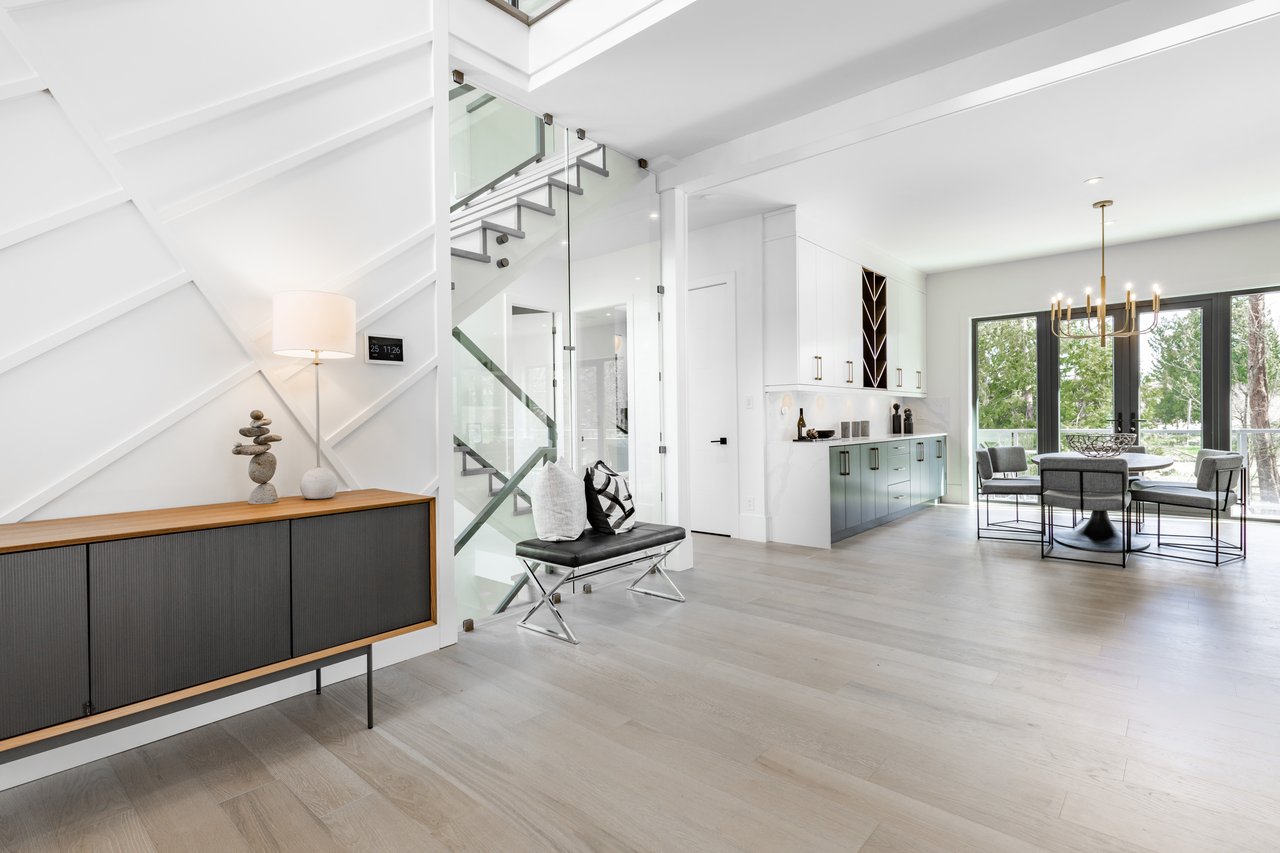
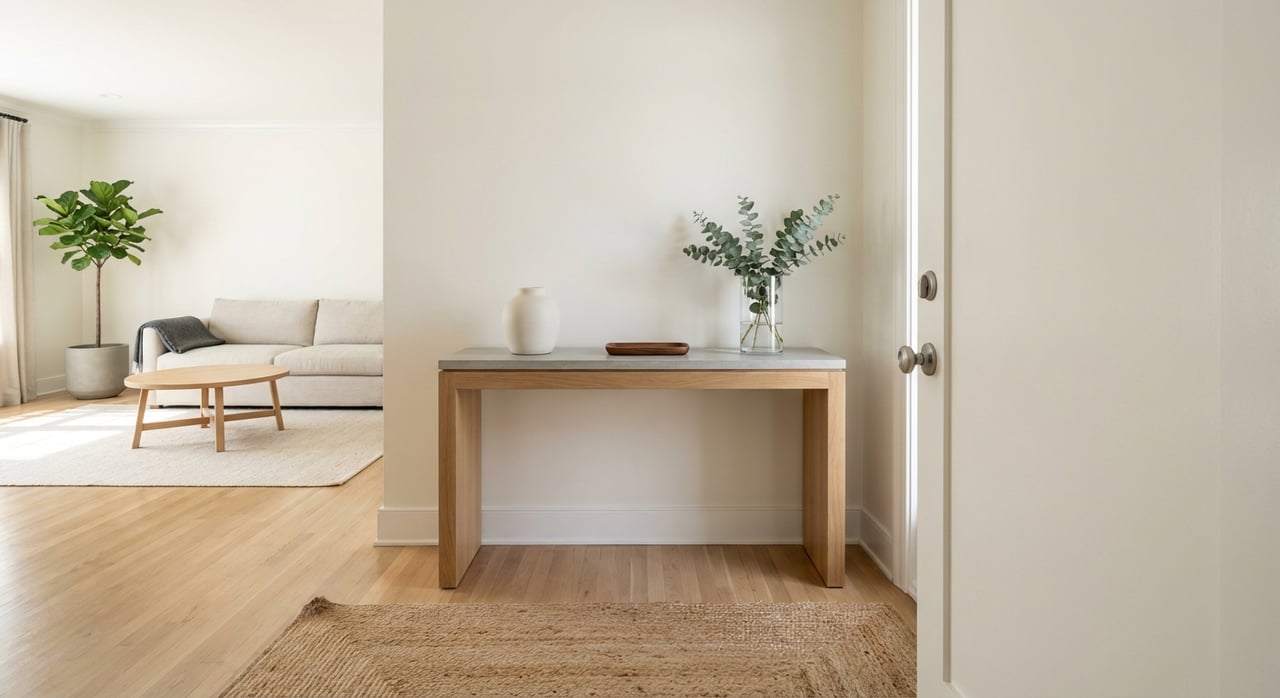
Small, visible improvements move the needle. Start with decluttering, depersonalizing, and a deep clean. Touch up neutral paint, fix leaky faucets, refresh dated light bulbs, and make sure all systems work as expected. Industry surveys from the National Association of REALTORS report that staging helps buyers visualize and can shorten time on market. See the NAR staging overview for highlights.
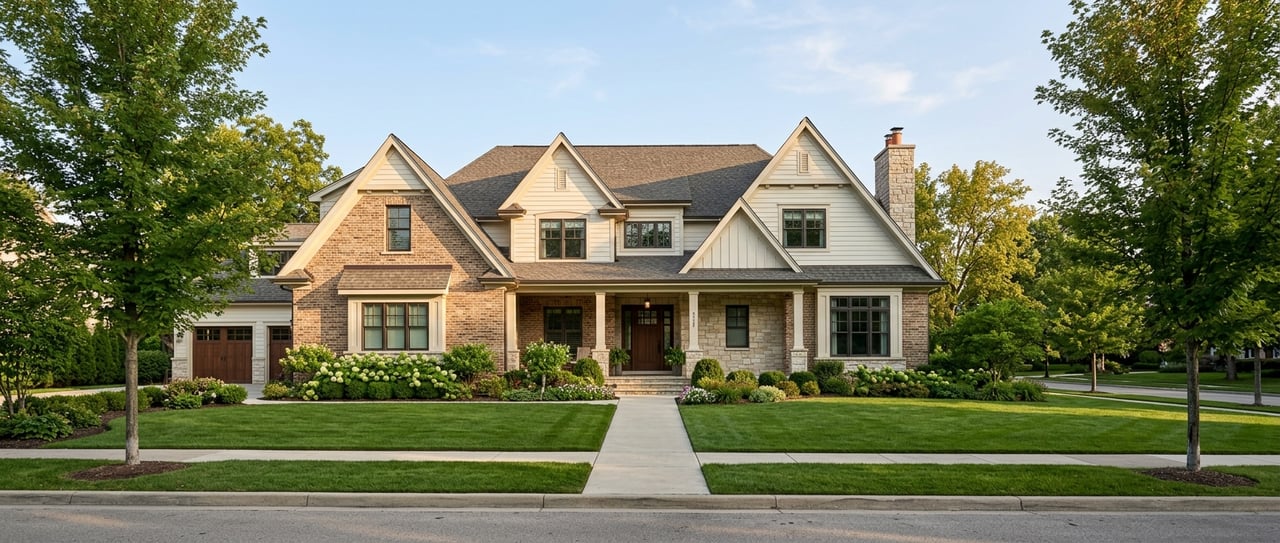
Boost curb appeal before photos and showings. Mow and edge, trim shrubs, add fresh mulch, and pressure wash walkways. Replace faded house numbers or a damaged mailbox. First impressions matter for showings across Bargersville subdivisions and on rural lots.
Staging ranges widely. Practical budgets for modest staging or consultations often land around $800 to $3,000, while full furniture rentals on larger homes can approach about 1% of the list price. Review typical ranges in Bankrate’s staging cost guide.
A simple ROI example: at a $425,000 target price, even a 1% to 3% lift reported by some agents would be $4,250 to $12,750. If you invest $2,000 in targeted staging and photography, the math can make sense, especially if it also shortens days on market.
Professional visuals are a must. Industry analysis shows professionally photographed homes often sell faster and for more money than homes with basic photos. One study cited measurable price and speed benefits for mid-market listings. Read the summary of that photography impact study.
For vacant homes, virtual staging is a lower-cost option. Use it for key rooms and disclose it clearly, since some portals require that note. 3D tours help remote buyers evaluate floor plans and compare subdivisions without multiple trips. The NAR staging resource also covers virtual tools and buyer perception.
National patterns point to stronger seller outcomes in late spring and early summer. Many sellers in family-oriented suburbs also time their moves around school calendars. Listing midweek, often Thursday afternoon, can capture weekend planning. See broader timing insights from this national seasonality analysis, then tailor to your specific subdivision and builder release cycles near Bargersville.
A full-service listing typically covers: pre-listing CMA and strategy session, help completing the Indiana seller’s disclosure, staging consult or referrals, coordination of repairs, professional photography and video or 3D tour, MIBOR MLS listing and portal syndication, targeted digital marketing, open houses and private showings, offer review and negotiation, inspection resolution, appraisal coordination, and closing management. MIBOR is the core listing system for central Indiana. Learn more about its role in the market here.
Selling with confidence starts with a data-backed price and finishes with polished presentation. If you want a clear plan tailored to your address, reach out to Duke Collective for a local CMA, prep roadmap, and premium marketing that meets buyers where they are.
July 23, 2026
July 16, 2026
July 9, 2026
July 2, 2026
June 25, 2026
June 18, 2026
June 11, 2026
June 4, 2026
May 28, 2026
Our team is committed to providing our clients with professional services based on our experience, knowledge and skills.