Thinking about a move in Greenwood and wondering what the I-69 extension means for your commute and home value? You are not alone. Big transportation projects can shift how buyers choose neighborhoods and when sellers list. In this guide, you will learn what to expect, how to check official updates, and smart steps to protect your investment. Let’s dive in.
I-69 overview and milestones
The I-69 extension is being delivered in segments, each with its own approvals, right-of-way work, and opening dates. Local effects in Greenwood depend on where interchanges land, which ramps open first, and how traffic patterns shift during construction.
According to INDOT project documents, the milestones that matter to you include:
- Environmental approvals such as a Record of Decision or Finding of No Significant Impact.
- Right-of-way acquisition maps that show parcel impacts and proximity to new ramps.
- Major construction contracts, notices to proceed, and construction phasing.
- Partial openings, such as a bridge or interchange, and final completion.
- Posted changes to access roads or ramp configurations.
To verify status before you buy or sell, use official portals:
Commute and traffic impacts
Most buyers care about two things: how long the drive takes and how consistent it is at rush hour. New interstate segments can shorten highway trips and improve reliability for homes near access points. During construction, you can see short-term slowdowns and detours before long-term benefits arrive.
How to measure what matters:
- Test real-world drive times during AM and PM peaks for routes you will use. Run multiple departure times to capture variability.
- Track travel-time reliability by noting best, typical, and worst trips over a week.
- Watch local arterial volumes near planned interchanges. New ramps can relieve some surface streets while increasing traffic at interchange nodes.
- Check INDOT construction bulletins for temporary lane shifts that may affect school-year and holiday traffic.
What to expect in general:
- The biggest time savings come from trips that can use the new interstate segment directly.
- If your destination still requires long surface-street legs, savings may be modest.
- Reliability often improves once full segments and ramps are open.
Housing demand and development patterns
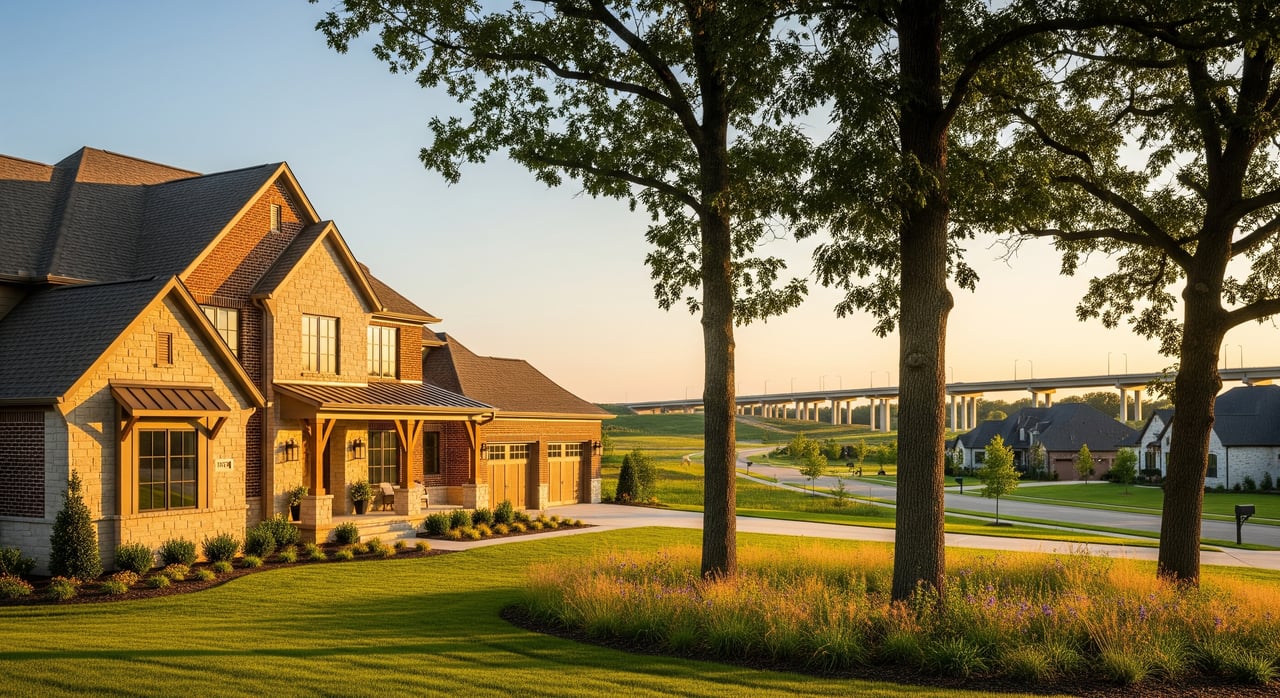
Interstates often change how buyers value locations. Faster access creates an accessibility premium for homes with quick ramp access. At the same time, areas close to interchanges can see more noise and visual impacts.
Common patterns near new interchanges:
- Commercial nodes: Retail, services, hotels, and logistics tend to cluster near ramps.
- Connector corridors: Roads that link interchanges to Greenwood can see steady infill and higher-density housing proposals.
- Fringe growth: Greenfield parcels near new access points often attract subdivision plans and rezoning requests.
Your takeaway: demand can rise around convenient access points, but value effects vary street by street. Buffers, design, and traffic context matter as much as distance to the highway.
Buyer checklist near the corridor
If you are shopping in Greenwood, use this checklist to make a confident choice:
- Commute testing: Drive the actual route during peak hours. Test multiple departures to capture reliability, not just average time.
- Noise review: Visit during rush hour and in the evening. Look for planned noise walls and natural buffers.
- Future land use: Review zoning, comprehensive plan maps, and active site plans through the City of Greenwood and Johnson County.
- Project status: Confirm current milestones and timelines using INDOT project updates.
- Resale lens: Homes very close to commercial nodes may appeal to investors, while quieter interior streets can suit long-term occupants. Decide which profile fits your goals.
- Environmental factors: Ask about floodplain, wetlands, and drainage. These can shape long-term development and neighborhood character.
Seller strategy near I-69
If you own near a future access point, timing and messaging matter:
- Highlight access: If an interchange shortens the drive to downtown Indianapolis or major employers, include updated commute times in your marketing.
- Prepare for traffic: Keep the lot tidy and provide practical info if buyers ask about sound or air mitigation from project documents.
- Pick your moment: Listing just after a positive, irreversible milestone can capture rising interest. If construction is disruptive, consider waiting until detours ease.
- Stay factual: Use links to INDOT project updates and the City of Greenwood to anchor your claims.
Neighborhood factors to compare
Not all “close to the highway” locations are equal. Focus on:
- Proximity to ramps, not just the corridor.
- Buffering such as tree belts, berms, and planned noise walls.
- Access to daily services and schools. Evaluate travel time to groceries, health care, parks, and your preferred school options using neutral, factual sources.
- Likely future intensity based on city and county zoning and future land use maps.
Maps and data you can use
A few simple visuals can make your decision clearer:
- Locator map: Outline Greenwood city limits with the I-69 corridor and nearest interchanges.
- Drive-time sheds: Create 15, 30, and 45-minute drive-time rings to downtown and major job centers before and after openings.
- Development nodes: Mark parcels within a half to one mile of planned interchanges with recent permits or rezonings from Johnson County and the City of Greenwood.
- Noise and right-of-way: When available, overlay INDOT right-of-way and noise contours from project environmental documents, which you can locate through INDOT project updates and the Federal Highway Administration.
For regional travel modeling and corridor studies, the Indianapolis Metropolitan Planning Organization provides planning resources that can add context to travel-demand changes.
What this means for Greenwood homeowners
The I-69 extension will influence how buyers think about access, reliability, and future development in Greenwood. Some areas will gain appeal for commuters, and certain corridors may draw more commercial activity over time. Your best move is to pair on-the-ground drive testing with official documents so your decision reflects both current realities and what is coming next.
If you want a local guide to translate project milestones into smart timing and pricing, our team is here to help. Reach out to Duke Collective for neighborhood-level insight, a clear plan to list or buy, and premium marketing that drives results.
FAQs
How will the I-69 extension affect Greenwood commute times?
- Travel-time savings usually appear after segments and ramps open, with the biggest gains for trips that use the new interstate directly. Verify current openings through INDOT project updates.
What should Greenwood buyers check before making an offer near I-69?
Will areas near new interchanges see more development?
- Interchange nodes commonly attract commercial and mixed-use projects, while connector corridors may see infill and new housing. Monitor local filings through city and county portals.
How can Greenwood sellers time a listing around project milestones?
- Listing just after an official, irreversible milestone such as a ramp opening can capture increased buyer interest. If construction is disruptive, consider listing after detours ease.
Where can I find official documents and maps about I-69?