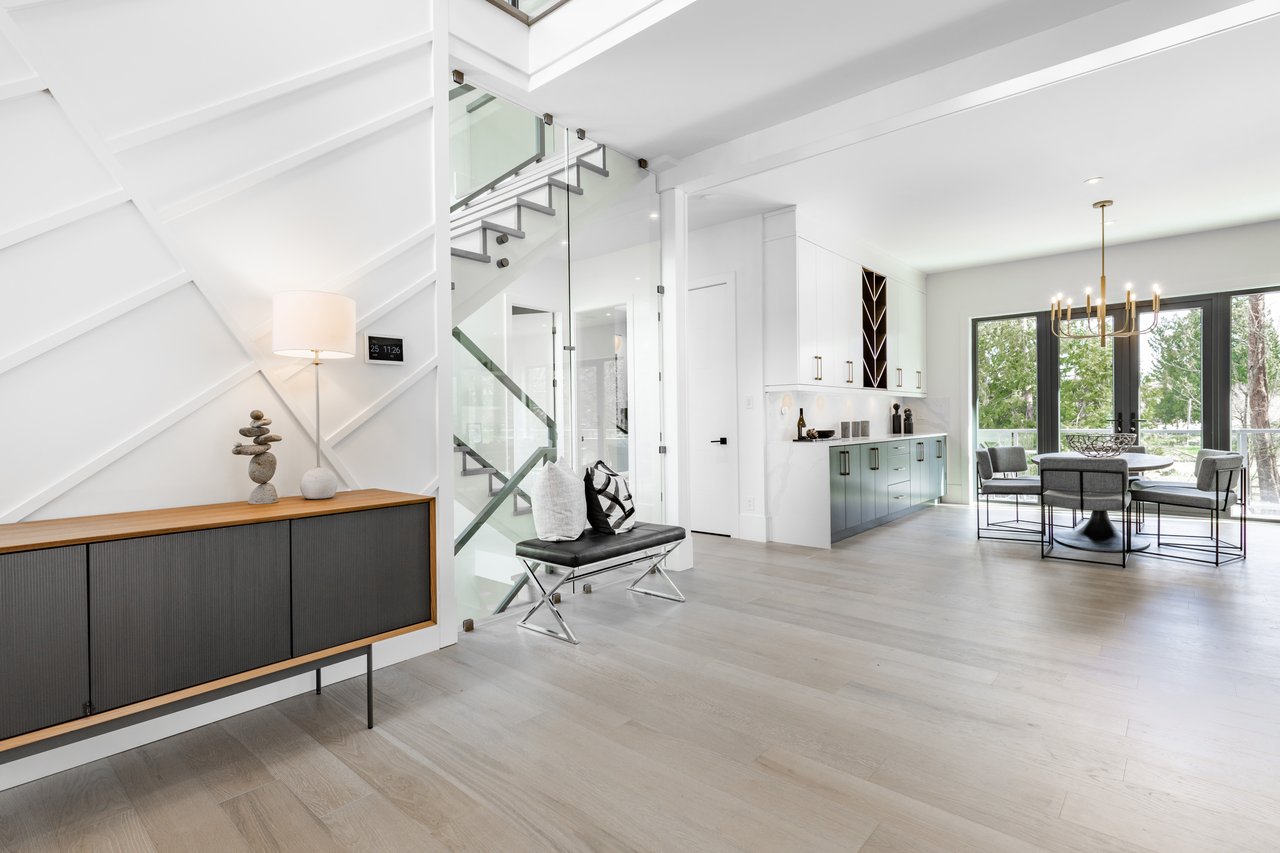
Carmel Indiana Home Listing Marketing for Sellers
March 24, 2026
March 24, 2026
You have one chance to make a standout first impression online. In Carmel’s higher-priced market, buyers are scrolling fast, comparing photos and features side by side, and shortlisting homes before they ever book a showing. If you want top-dollar results, your listing needs premium visuals and smart distribution. In this guide, you will learn how the MLS feeds your listing to major sites, which media assets matter most, and the exact questions to ask an agent so your home gets maximum online exposure. Let’s dive in.
Carmel sits toward the higher end of Hamilton County pricing, and county reports show rising price per square foot with more active listings than a few years ago. That means buyers have options and your listing has competition. A single city median can hide big differences by neighborhood, ZIP code, and property type. For example, ZIPs like 46032 often trend higher than surrounding areas, and condos behave differently than single-family homes. In upper-price pockets, buyers expect stronger presentation, and out-of-area shoppers rely on virtual content to decide which homes to tour in person.
According to national buyer research, website photos, floor plans, and virtual tours are the most valued listing features. When you include a complete visual package, you increase clicks, saves, and in-person showing requests. See the 2024 Profile of Home Buyers and Sellers for buyer behavior highlights that reinforce how visuals drive engagement.
Your listing starts in the local MLS. In Carmel, that means the MIBOR Broker Listing Cooperative (BLC) is the authoritative database that powers broker websites and, when enabled, consumer portals. From there, data flows to:
It is important to know that IDX and syndication are not the same. IDX allows participating brokers to show each other’s listings on their own sites under MLS guidelines. Syndication sends copies of listing data to consumer portals and is controlled by the MLS, the brokerage, or both. For a plain-English primer on IDX vs. MLS vs. syndication, read this overview: How IDX differs from MLS and syndication.
Think of your listing page as the buyer’s first showing. In Carmel, especially at higher price points, the standard is a complete and polished media suite.
Buyers rank photos among the top web features. Plan a gallery that tells the full story:
Ask your agent who hires and pays the photographer, and whether the photographer grants a license for marketing during the listing term only or allows post-sale reuse. Put usage terms in writing. For why photos matter to buyers, see the NAR highlights on website features: NAR 2024 buyer and seller highlights.
Floor plans and accurate room dimensions are among the most requested features after photos. Include a measured plan when possible. Virtual staging can be effective for vacant rooms when disclosed clearly. Again, buyer research confirms these assets help shoppers visualize a home online. Review the NAR data on valued features.
A short video or a hosted 3D tour helps out-of-town and busy buyers pre-qualify homes, which saves everyone time. NAR’s technology guidance covers common formats and costs for virtual tours and 3D capture. Explore NAR’s virtual tour guidance.
Vendors in the 3D space also report adoption trends and integrations that make adding tours easier for agents and photographers. For a market view from a major 3D provider’s filings, see Matterport’s annual report. Treat vendor ROI claims as market specific.
For larger lots or when location context is a selling point, aerial photos add value. Commercial drone operators should hold FAA remote pilot authorization under Part 107. Ask your agent to verify credentials. Check FAA guidance for operators.
Industry guidance suggests standalone 3D or 360 tours often run in the low hundreds, and bundled packages that include photos, drone, floor plan, and video cost more. NAR’s technology articles outline common options and price ranges. The key is perspective. Relative to a Carmel listing’s value, a full visual package is a modest investment that can expand reach and improve showing quality. Start with NAR’s virtual tour overview.
Major consumer portals and brokerage websites capture most buyer traffic. Your goal is broad, accurate coverage plus targeted promotion where it counts. Confirm that your listing will appear on the major portals and on the agent’s brokerage site, then ask how portal settings and featured placements are controlled.
Some agents use paid placements on high-traffic sites or run geo-targeted social and search ads to amplify exposure. Common tactics include:
Ask for a simple plan that lists placements, budget, and how results will be measured. A helpful framework is to track clicks, landing page views, saves, leads, and showings. For benchmarking and planning considerations, see this overview on real estate ad and lead metrics: Marketing metrics to watch.
Use these questions to compare marketing plans and get commitments in writing.
When you combine strong visuals with accurate MLS distribution and a measured ad plan, you put your Carmel home in front of more qualified buyers. If you want help building a premium presentation and a clear syndication strategy, the team at Duke Collective can walk you through options and deliver a simple, transparent plan.

October 22, 2026
October 15, 2026
October 8, 2026
October 1, 2026

September 24, 2026
September 17, 2026

September 10, 2026
September 3, 2026

August 27, 2026
Our team is committed to providing our clients with professional services based on our experience, knowledge and skills.